


Imagine sitting at your kitchen table at 11:00 PM when your chest tightens with a dull, crushing pain. You call 911, only to learn the local volunteer ambulance service has a 25-minute response time—and the nearest hospital with an open cardiac catheterization lab is a 75-mile drive over winding, two-lane country roads.
For millions of people living in small towns and agricultural communities, this is not a dramatic movie script; it is a terrifying daily reality. Over my ten-plus years as a health writer observing frontline clinical delivery, I have seen how geographical distance quietly converts minor, manageable health conditions into irreversible medical emergencies.
We often talk about wellness as if it is purely a matter of personal lifestyle choices. Yet, geography frequently dictates human lifespan. Improving rural healthcare access is not merely an exercise in building new facilities; it requires an intentional overhaul of how we deliver equitable, lifesaving medicine across vast spatial divides.
The Anatomy of a Medical Desert: Why Rural Healthcare Access Is Failing
When we examine the systemic breakdown of rural medical systems, we encounter a vicious cycle driven by economic fragility and shifting demographics. Over the past decade, hundreds of rural facilities have shuttered their doors or stripped back emergency services, leaving broad stretches of the countryside designated as official health professional shortage areas (HPSAs).
The Electrical Grid Analogy: Think of a country’s healthcare system like a regional electrical grid. Major urban centers operate like high-capacity substations that receive steady, high-voltage power backed by multiple redundancies. Rural towns are like isolated end-of-the-line cabins connected by a single, weathered wire. When a storm rolls in, those distant cabins lose power first, and maintenance crews take three times as long to arrive.
This crumbling infrastructure compounds existing social determinants of health. Rural populations statistically skew older, experience higher rates of poverty or inadequate insurance coverage, and face elevated rates of chronic diseases like type 2 diabetes, hypertension, and systemic heart disease.
Key Barriers Threatening Rural Healthcare Access
Understanding the core breakdown requires analyzing four distinct layers of friction that prevent rural residents from receiving timely, high-quality care:
-
Geographic Isolation and Transportation Deficits: Public transit is virtually non-existent in small communities, forcing patients to rely on personal vehicles or costly long-distance travel for basic specialist consultations.
-
Severe Provider Shortages: Primary care physicians, general surgeons, and mental health professionals overwhelmingly settle in suburban centers, leaving rural clinics understaffed and overburdened.
-
Financial Instability of Critical Access Hospitals: Low patient volumes combined with high proportions of uncompensated care leave small rural facilities operating on paper-thin profit margins.
-
The Digital Divide: High-speed broadband internet remains spotty in remote areas, hindering the seamless adoption of modern virtual care solutions.
Innovative Solutions Transforming Rural Healthcare Access
While the challenges are severe, innovative medical models are actively bridging the gap and reshaping how rural populations receive treatment.
1. Telehealth and Remote Patient Monitoring (RPM)
The expansion of secure telehealth platforms allows patients to consult with top-tier specialists from the comfort of their homes. Furthermore, cellular-enabled remote patient monitoring tools transmit daily blood pressure, blood glucose, and oxygen saturation readings directly to clinical teams, catching warning signs long before an emergency room visit becomes necessary.
2. Mobile Health Clinics and Community Paramedicine
Rather than expecting immobile patients to travel long distances, health systems are deploying custom-fitted mobile vans equipped for mammography, dental cleanings, and preventive screenings. Additionally, community paramedicine programs train local EMTs to conduct home wellness checks, manage chronic illness protocols, and perform routine lab draws during shift lulls.
3. Targeted Workforce Incentives
To combat chronic staffing shortages, state and federal initiatives offer aggressive medical school loan forgiveness and specialized rural residency tracks. Training medical students in rural environments dramatically increases the likelihood that they will plant permanent roots and practice in those communities long-term.
Urban vs. Rural Health Disparities: At a Glance
+------------------------------------+-------------------------------+-----------------------------------+
| Metric / Indicator                 | Urban / Suburban Communities  | Rural Communities                 |
+------------------------------------+-------------------------------+-----------------------------------+
| Average Travel to Trauma Center    | 10 to 20 Minutes              | 60 to 90+ Minutes                 |
| Primary Care Doctors per 100k      | ~80 to 100 Physicians         | ~40 to 50 Physicians              |
| High-Speed Broadband Access        | Very High (95%+)              | Variable / Poor (60% to 75%)      |
| Unmanaged Chronic Disease Rates    | Moderate Baseline             | Significantly Higher              |
+------------------------------------+-------------------------------+-----------------------------------+
Expert Advice: Pro Tips and Hidden Pitfalls
Rebuilding rural care systems requires a strategic mix of personal advocacy, technology adoption, and policy awareness.
Pro Tip: Establish a “Hybrid Care Network”
If you live in a rural area, build a proactive healthcare plan before an illness occurs. Establish care with a local primary clinic for hands-on physical exams and lab work, but register with major regional telehealth portals for rapid specialist access. Having your accounts configured ahead of time saves critical days when you need a dermatologist, endocrinologist, or therapist.
Hidden Warning: Don’t Assume Virtual Care Fixes Everything
A common policy trap is assuming that launching a telehealth app solves all rural healthcare access problems overnight. Without basic broadband infrastructure, digital literacy support, and local emergency backup, virtual care risks leaving behind low-income and elderly residents. Digital solutions must complement—never entirely replace—in-person clinical care.
Building a Resilient Future for Rural Health
Throughout my decade in health writing, one fundamental truth has consistently stood out: vibrant, healthy communities cannot exist without reliable medical security. Overcoming the barriers to rural healthcare access is a tough challenge, but it is far from impossible when we combine local human commitment with modern technology.
By investing in critical access hospitals, expanding broadband infrastructure, and supporting local health workers, we can ensure that living outside a major metropolis never requires sacrificing your fundamental right to quality health care.
Dr. Jason Champagne, a double board-certified facial plastic surgeon, is renowned as a celebrity surgeon. Featured in Elle, InStyle, and Hollywood Reporter, his pioneering facelift techniques and natural-looking enhancements are highly sought after. Learn More! At his Beverly Hills practice, Dr. Jason Champagne specializes in advanced cosmetic procedures, including his renowned facelift techniques. Featured on The Doctors and The Today Show, he customizes each facelift for natural, exceptional results/
Find your ideal nurse practitioner preceptor with zero upfront fees, no subscriptions, and risk-free matching. Access a network of thousands of preceptors nationwide across every specialty. np preceptors Easily manage your placement requests and documents through a secure online portal, and receive fast, student-centered support every step of the way.
abogados derecho construcción
Dr. Jason Champagne, a double board-certified facial plastic surgeon, is renowned as a celebrity surgeon. Featured in Elle, InStyle, and Hollywood Reporter, his pioneering facelift techniques and natural-looking enhancements are highly sought after. Learn More! At his Beverly Hills practice, Dr. Jason Champagne specializes in advanced cosmetic procedures, including his renowned facelift techniques. Featured on The Doctors and The Today Show, he customizes each facelift for natural, exceptional results/
Find your ideal nurse practitioner preceptor with zero upfront fees, no subscriptions, and risk-free matching. Access a network of thousands of preceptors nationwide across every specialty. np preceptors Easily manage your placement requests and documents through a secure online portal, and receive fast, student-centered support every step of the way.
abogados derecho construcción





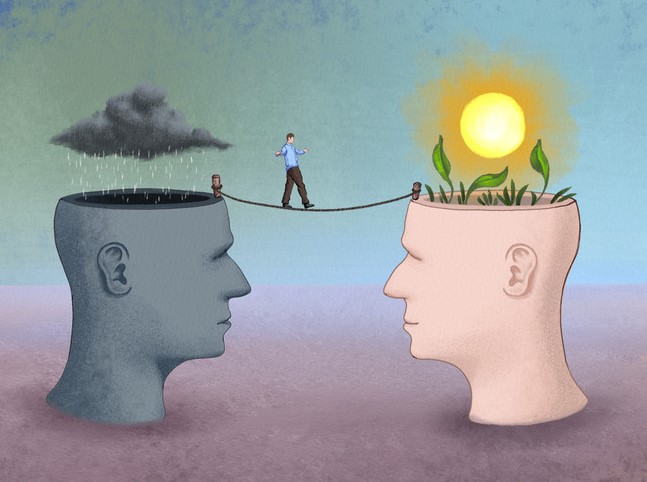 It is 2:00 AM on a Tuesday. Your eyes snap open, and within seconds, your brain serves up a horrifying highlight reel of everything that could possibly go wrong tomorrow. What if I fail the presentation? What if my boss realizes I don’t know what I’m doing? What if my whole career unravels? Your heart begins to race, your chest tightens, and just like that, sleep becomes an impossible memory.